The Benefits of Early Childhood Education for Social Skills
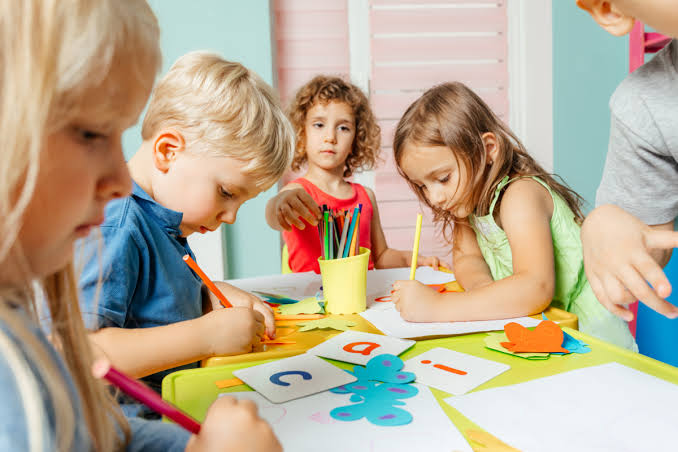
Early childhood education gives young children regular opportunities to speak, listen, cooperate, and form friendships. These experiences shape behaviour through daily practice rather than isolated lessons. Educators model respectful language, guide emotional expression, and help children respond safely during disagreements. Play, stories, routines, and shared projects strengthen communication while encouraging patience and consideration. Over time, children become more capable of reading social cues, expressing needs, and participating comfortably in group settings.
A Positive First Step
The first learning environment can influence how readily a child joins group activities and approaches unfamiliar peers. Families considering Southbank childcare can look for settings that pair guided learning with imaginative play. Children need repeated chances to negotiate roles, share materials, wait for responses, and recover from mistakes. Attentive educators set clear boundaries and then adjust guidance according to each child’s communication style, temperament, and developmental stage.
Learning Through Shared Play
Play gives children a practical setting for social practice. A block structure may require planning, while a pretend café can involve assigning roles and solving disagreements. Children learn that a partner’s idea deserves attention, even when it differs from their own. Educators can extend this learning by asking open questions, encouraging inclusion, and helping participants explain choices without dominating the activity.
Practising Communication
Conversation develops through frequent, meaningful exchanges. During story sessions, educators may ask children to predict events, describe emotions, or recall important details. Such prompts build vocabulary and improve listening accuracy. Group songs and role-play add rhythm, facial expression, and body language to spoken communication. Children also practise waiting, responding appropriately, and asking for clarification when another message seems unclear.
Building Emotional Awareness
Social competence depends partly on emotional awareness. Children who can identify sadness, anger, worry, or disappointment are better positioned to request help before behaviour escalates. Educators can use picture cards, stories, and calm conversations to connect feelings with physical signs, such as tense muscles or faster breathing. This language helps children pause, choose safer actions, and recognise emotional changes in peers.
Managing Disagreements
Conflicts often arise when children want the same object, game, or leadership role. Rather than resolving every dispute immediately, educators can help participants describe events, articulate their needs, and consider another perspective. Practical options include taking turns, combining ideas, or selecting a different resource. Repeated guidance gradually strengthens problem-solving, self-control, and respect during emotionally charged moments.
Developing Empathy
Empathy grows through close observation and guided interaction. A child may notice a peer sitting alone, struggling with a task, or becoming upset after a mistake. Educators can demonstrate useful responses, such as offering assistance, inviting participation, or allowing quiet space. Stories and dramatic play deepen this skill by asking children to consider what another person might feel, need, or expect.
Growing Independence
Early learning routines give children manageable responsibilities. They might choose an activity, organise materials, wash hands, or help prepare a shared area. These actions develop confidence while reinforcing awareness of other people’s needs. Independent choices also require self-regulation, because children must follow agreed expectations without constant reminders. Gradually, personal responsibility becomes linked with cooperation, reliability, and care for communal spaces.
Supporting Inclusive Friendships
A welcoming setting helps children value differences in language, culture, ability, appearance, and personality. Educators can offer flexible activities, varied materials, and multiple ways to participate. This approach allows each child to contribute without forcing identical skills or interests. Positive peer contact reduces exclusion and encourages curiosity. Children begin to recognise friendship as a reciprocal relationship built through patience, respect, and shared enjoyment.
Preparing for School
Social readiness can make the move into formal schooling easier. Children who have practised following group instructions, managing belongings, and asking for assistance may approach classroom routines with greater confidence. Previous experience with shared resources also helps them adjust to collaborative tasks and changing expectations. Early education does not prevent every difficulty, but it gives children the language and strategies to handle new social demands.
Conclusion
Early childhood education strengthens social skills through consistent interaction, careful modelling, and guided practice. Shared play develops cooperation, while conversation improves listening and expressive language. Emotional coaching helps children recognise internal states and respond with greater control. Inclusive routines encourage empathy, independence, and respect for individual differences. These abilities support classroom participation, stable friendships, and healthier relationships as children progress through school and encounter increasingly complex social situations.